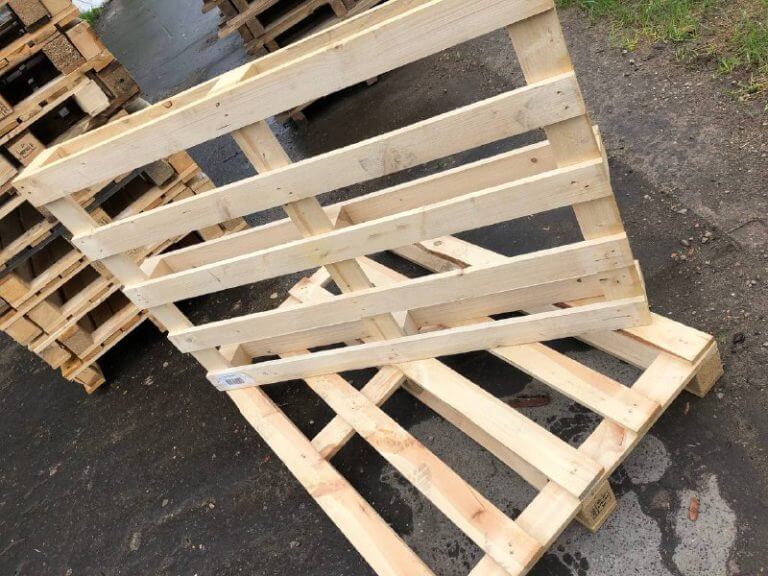
Everything You Need To Know About Pallets Manufacturer
Understanding the Role of Pallet Manufacturers in Today's Supply Chain
In today's worldwide market, the need for effective transportation and storage services has never been greater. At Agrony Trading of these services is the humble pallet, an essential element in logistics and supply chain management. This short article looks into the role of pallet producers, the different kinds of pallets they produce, the manufacturing process, and the advantages of utilizing their services.
What Are Pallets?
Before exploring the makers themselves, it's important to comprehend what pallets are. Pallets are flat structures used to support products in a stable way while being raised by forklifts or other jacking devices. They assist in the efficient movement of items in storage facilities and throughout transport.
Types of Pallets
Pallets can be found in various types, each created to meet specific needs across various markets. Below is a table summarizing the most typical types of pallets produced by manufacturers.
Type of Pallet
Product
Common Uses
Pros
Cons
Wood
Wood
Industrial shipping and storage
Strong, readily offered
Prone to splintering, can harbor pests
Plastic
High-density polyethylene
Food storage, pharmaceuticals
Lightweight, simple to tidy
More costly than wood
Metal
Steel, aluminum
Sturdy shipping, long-term storage
Incredibly long lasting
Heavier, can be costly
Composite
Plastic-wood mixture
General warehousing, export
Resistant to moisture and bugs
Minimal weight capacity
Corrugated cardboard
Recycled paper
Short-term storage, lightweight shipping
Environment-friendly, easily recyclable
Not suitable for heavy loads
The Role of Pallet Manufacturers
Pallet manufacturers are essential in ensuring the supply chain remains effective. They are accountable for producing premium pallets that meet a selection of specs. Here are some crucial functions they fulfill:
1. Customization
Many producers offer customization alternatives that deal with industry-specific requirements. Customized measurements, load capabilities, and branding functions can be integrated into the style to suit client requirements.
2. Sustainability
With growing ecological concerns, lots of pallet makers are moving towards sustainable practices. This includes producing pallets from recycled products or using eco-friendly processes to decrease waste.
3. Quality Control
Quality assurance is crucial in the manufacturing procedure. Makers often follow strict market standards to guarantee their products are safe, dependable, and durable.
4. Supply Chain Optimization
By offering pallets that fit particular logistical requirements, manufacturers can help organizations optimize their supply chains. This includes increasing packing effectiveness, improving stock management, and minimizing transportation costs.
The Manufacturing Process
The manufacturing of pallets includes a number of steps, including style, product selection, cutting, assembly, and ending up. Here's a detailed appearance:
1. Design and Specification
Makers begin with client assessments to determine the requirements required. This includes measurements, weight capacity, and material option.
2. Material Selection
Depending on the type of pallet being produced, producers will pick the suitable products. For instance, the choice between wood, plastic, or metal will influence both expense and performance.
3. Production and Assembly
The production procedure varies by material type:
- Wood pallets are usually constructed from planks that are cut, formed, and assembled utilizing nails or screws.
- Plastic pallets are molded into shape using high-pressure processes.
- Metal pallets include welding or bolting together steel or aluminum elements.
4. Quality Assurance
End products go through extensive testing to ensure they fulfill security and durability requirements. Examinations often include weight testing and assessments for flaws.
5. Completing Touches
To enhance durability, pallets might be dealt with for pest resistance or coated for added defense versus wetness.
6. Circulation
When finished, pallets are packaged and delivered to customers or distributors, ready for usage in numerous sectors.
Advantages of Working with Pallet Manufacturers
Services that partner with pallet makers take pleasure in a myriad of advantages, including:
- Cost Efficiency: Custom pallets developed particularly for a business can decrease overall shipping costs.
- Resilience: High-quality pallets result in less replacements and reduced downtime.
- Versatility: Manufacturers can quickly adjust to changing needs, permitting businesses to scale operations efficiently.
- Environmental Benefits: Working with manufacturers concentrated on sustainability can boost a business's environmentally friendly initiatives.
Often Asked Questions (FAQ)
1. What is the life-span of a pallet?
The life expectancy of a pallet differs based upon its material and use. Wooden pallets typically last for several years, while plastic pallets can last a lot longer if properly kept.
2. How do I select the ideal pallet for my service?
Think about factors such as load capability, material, expense, and particular market requirements. Consulting with a pallet manufacturer can supply valuable insights.
3. Are custom-made pallets more costly than basic pallets?
While custom pallets may have a greater in advance expense, they can offer long-term cost savings through increased performance and minimized damage during transportation.
4. How do pallet producers guarantee sustainability?
Lots of producers implement recycling programs, utilize environment-friendly products, and minimize waste in production procedures to promote sustainability.
Pallet manufacturers play a crucial role in the logistics and supply chain markets. As the need for performance and sustainability boosts, these manufacturers continue to adjust and innovate. By understanding the types of pallets available, the production procedure, and the advantages of collaboration, businesses can make educated decisions that enhance their functional capabilities. Whether for transport, storage, or distribution, the significance of pallets— and the manufacturers that produce them— can not be overemphasized.